Recently, an old friend asked me to help update his Intel Mac mini—he had forgotten the password, and I thought, “No problem lah.”
But after a long break from doing anything technical or command-line related, I realized I was rusty. Siao Liao !!! So I decided to relearn everything—practised all the terminal commands, read up, simulated scenarios… I basically trained like I was prepping for a hacker movie role.
Then came the actual day. All that practice? Didn’t use a single command I prepared.
Instead, I had to think on my feet and rely on what I learned from past experience. The solution came from instinct and memory, not the prep work.
Moral of the story: Just be yourself—especially in front of old friends. There’s nothing to prove, and nothing to lose face over.
Sometimes your past experience already has your back.
Why a Master’s Degree might seem like a setback—but actually isn’t
It’s ironic, but sometimes having a Master’s degree can actually hurt your chances of getting an entry-level job.
Sounds ridiculous, right? But here’s the thing: some companies see a Master’s and assume you’re “overqualified” or that you’ll expect higher pay. Others might wonder why you’re applying for beginner roles if you’ve got an advanced degree. It happens more often than you’d think.
But—if you’re young and you have the opportunity to do a Master’s, do it anyway.
Yes, people will tell you that you don’t need a degree to be a developer. And it’s true—there are plenty of self-taught devs doing just fine. But the best companies? The ones with the most exciting projects, the best work culture, the most growth opportunities? They still care about credentials. Especially if you’re under 30 and just getting started.
And here’s the real kicker: you don’t know where you’ll be in 10, 15, or 20 years.
Maybe you won’t want to code forever. Maybe the industry shifts. Maybe AI changes everything. Maybe you change.
That’s why education matters—not just for the job you want today, but for the options you’ll want tomorrow.
Having a Master’s gives you flexibility. It opens doors beyond just development. It’s something no one can take away from you. Don’t throw away the chance to study just because you’re eager to jump straight into work. You can always become a developer. But you only get one shot at being young with time, energy, and the freedom to learn.
Education gives you options. And in a world that’s always changing, options are priceless.
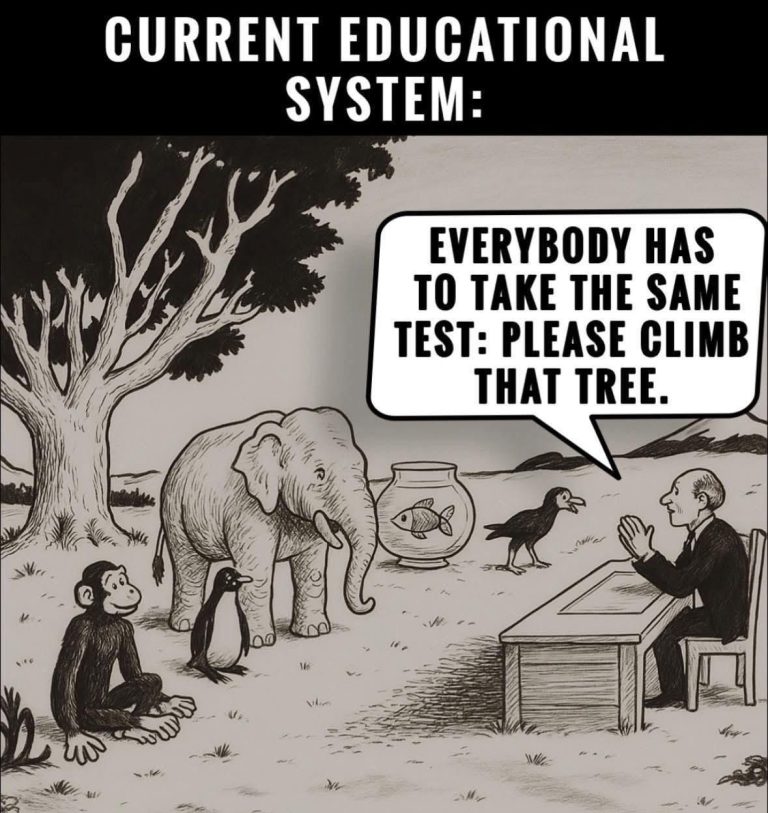
You won’t learn much studying in Singapore. Studying in Singapore might not offer the transformative education experience many expect. That’s because students aren’t being educated, they’re being trained. The system is designed to produce high test scores, not critical thinkers.
Critical discussion is not a norm in the curriculum. Instead of fostering inquiry and debate, the education model emphasizes rote learning and memorization. Many Singaporeans forget much of what they learned in school because the system discourages reflection, questioning, and exploration. The typical classroom experience is lecture-based, “chalk and talk” sessions where teacher-student interaction is limited, and genuine seminars are rare, despite the label.
This isn’t just an educational issue, it’s a political one. Singapore’s education system reinforces a culture of compliance rather than inquiry. The avoidance of politically sensitive or controversial topics in schools like policy critique, race, religion, and social justice, reflects a broader hesitation to empower students with the tools to question authority or status quos.
Faculty are under constant pressure to meet global ranking metrics. Those who don’t are swiftly removed, contributing to an environment of performance anxiety rather than innovation. The obsession with rankings often masks deeper shortcomings in academic freedom and institutional creativity.
Under such a system, groundbreaking innovation is stifled. Don’t expect Nobel Prizes or revolutionary thought leadership to emerge from this environment, just as we wouldn’t expect Singapore to win the World Cup. Countries like Japan, with freer academic and political systems, have nurtured dozens of Nobel laureates. Education shapes society. When questioning is discouraged, stagnation follows.
The real-world consequences are clear. Why are so many elderly Singaporeans still working well into old age? Because the system shaped by this very education model hasn’t equipped people with the tools to build sustainable, independent futures. When critical thought is absent, so is long-term vision.
While grades aren’t everything, the hard truth is they do matter, no matter where you are. Good grades open doors that might otherwise stay firmly shut, unless you’re exceptionally well-connected or someone “opens the backdoor” for you.
Recently, my kid started looking for his first job after graduating. Almost every interview required him to submit all his academic records degree certificates, transcripts, cGPA, details of scholarships (type and amount) over and over again. Even during background checks by some stupiak company (which, by the way, cost USD $5,000 per candidate), all this academic documentation was scrutinized.
Grades, GPAs they’re more than just numbers. They’re a mirror. They reflect a person’s aptitude, attitude, and ability to adapt. When someone doesn’t do well academically, chances are that at least one of these three areas is falling short.
Sacrifice is often necessary. Sometimes it means spending less time with friends or family. Other times, it means putting hobbies on hold. It’s tough but discipline often requires choosing long-term rewards over short-term comfort.
At the end of the day, good grades are not just about intelligence. They show you have discipline, and that you can learn which is the basic requirement for competence in any job. How far you can go depends on what you know, who you know and who knows you.