
Hi! Hello…
@jupiter

Spent years taxiing down the aviation runway. The blueprint was meticulously drafted. Progressing from Singapore Youth Flying Club to Temasek Polytechnic’s AMS program, and finally to Embry-Riddle. By 2020, was fully fueled and ready for takeoff.
Then came the ultimate Air Traffic Control wave-off. COVID-19, a global severe weather event that completely shut down his original destination airport.
But instead of circling indefinitely or crashing, executed a flight correction. Adjusted the coordinates, upgraded both academic engines with degrees from SMU MiM and ESSEC SMiB, and requested a completely new flight plan. Ultimately, he executed a safe landing, touching down firmly on the runway of global corporate banking at BNP Paribas.
It’s a story that reframes what could have been a career disaster into a masterclass in navigation. Didn’t crash, simply cleared for a different runway.
Methods to reset ELECTROLUX EWW1343R7SC FRONT LOAD WASHER AND DRYER (13/9KG)/(ULTIMATECARE 700)
Here are the common methods for resetting your Electrolux washer dryer:
If these methods do not resolve the issue, consult the complete EWW1343R7SC user manual available on the Electrolux Singapore website for specific troubleshooting steps or contact a qualified repair technician.
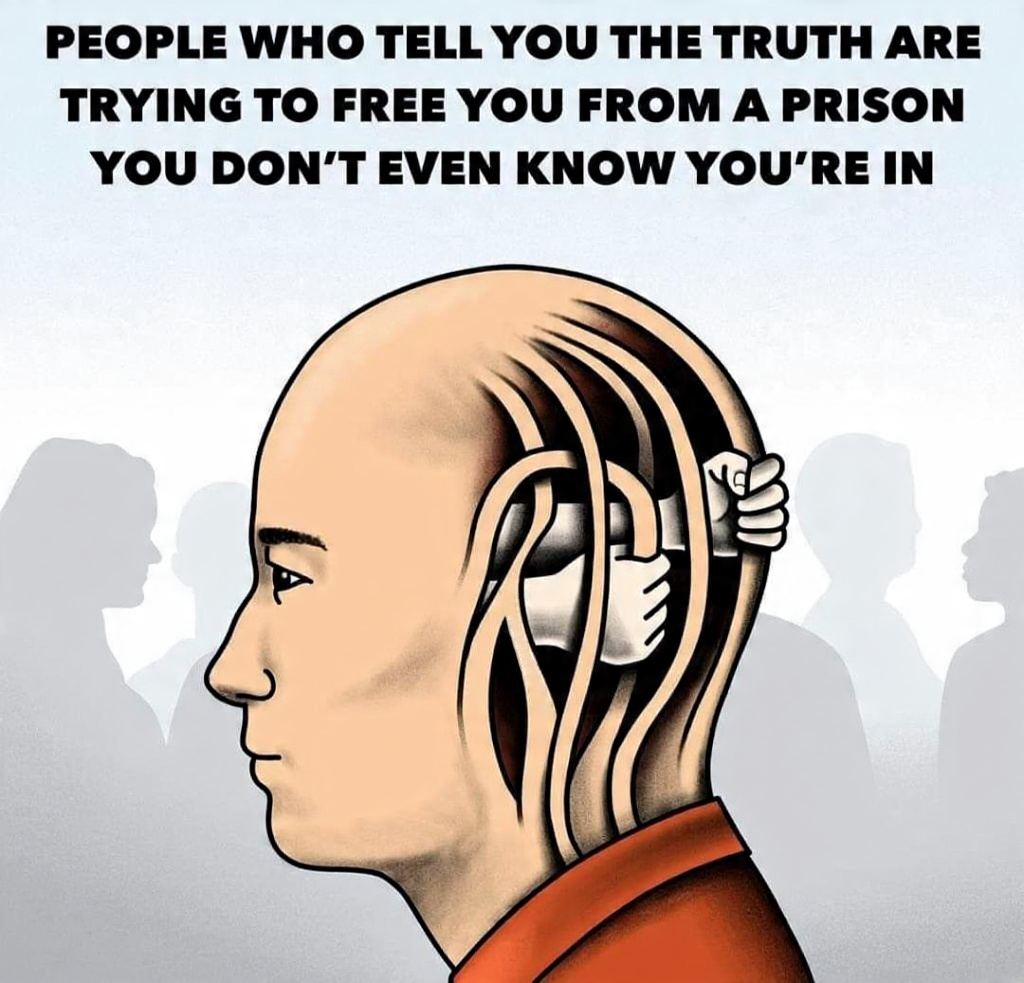
Now I remember why I kept my distance from him, Don..key. Somehow, after losing sight of that, we got back in touch and I see now that nothing has changed. I’ll be keeping my distance again.
I tried to help him fix his home broadband setup, and it was a complete waste of time. He’s comfortable living with the mess, including what the Singtel installer left behind. Worse, he doesn’t realize how little he understands, yet speaks with total confidence.
Lesson learned: you can’t help someone who refuses to think. No amount of effort matters if the other person won’t engage. All it does is drain and frustrate you. It’s simply not worth it.
I need to remind myself not to step in or play along next time, otherwise I’m just making myself miserable.
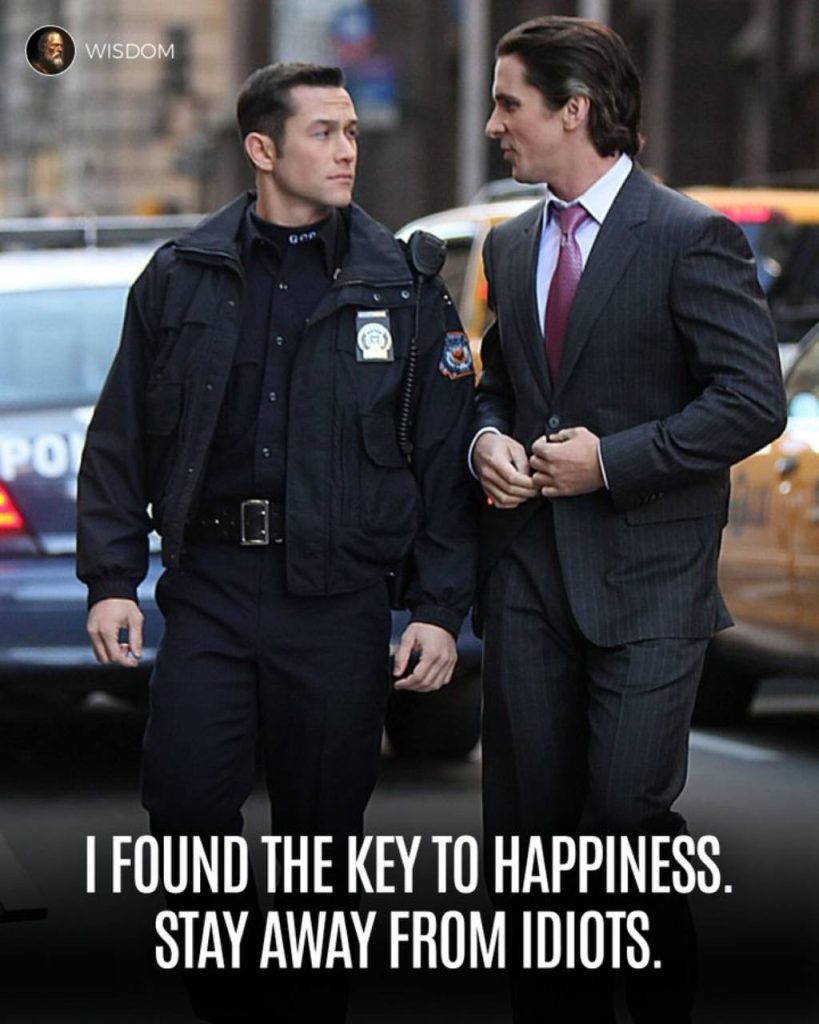
Recently I just learned the key to happiness? It’s not money. It’s not fame.
It’s staying the hell away from idiots. 😎
Life is already hard enough without having to deal with people who bring unnecessary drama and nonsense into your day.
And if you see the drama coming from a mile away?
Smile, wave, and walk the other direction. 🚶♂️💨
Stay smart. Stay sane. Stay far, far away from fools. 😌
— Contribution by Bryan

I tried to explain to Kock the critical importance of using a 4-point support structure instead of 3 for the car seat bracket, he’s converting a van into a 7-seater and recommended switching from aluminum to steel for its vastly superior strength and resistance to vibration. But he completely dismissed the idea. He’s convinced the current design is “strong enough” and is more concerned about the lack of a seatbelt and gaining extra storage space if only 3 supports are used.
I told him flat-out what’s the point of a seatbelt if the base structure can’t hold up? If the bracket fails, no amount of restraint will matter. His response? Only his family would be using it, and they’d “monitor it for safety.” When I asked him if he was seriously okay with putting his family at risk on an untested structure, his answer was basically yes provided someone’s keeping an eye on it.
It’s mind-blowing how ego and ignorance can completely obliterate basic engineering principles. And frankly, I was the idiot for wasting time trying to reason with someone who isn’t even open to it. Lesson learned: never argue with people who are too proud or too stupid to listen. It’s a futile exercise, and the real-world risks are much too high.
Stupaikity is far more dangerous than evil, for evil takes a break from time to time; stupiakity does not.
Recently, an old friend asked me to help update his Intel Mac mini—he had forgotten the password, and I thought, “No problem lah.”
But after a long break from doing anything technical or command-line related, I realized I was rusty. Siao Liao !!! So I decided to relearn everything—practised all the terminal commands, read up, simulated scenarios… I basically trained like I was prepping for a hacker movie role.
Then came the actual day.
All that practice?
Didn’t use a single command I prepared.
Instead, I had to think on my feet and rely on what I learned from past experience. The solution came from instinct and memory, not the prep work.
Moral of the story: Just be yourself—especially in front of old friends. There’s nothing to prove, and nothing to lose face over.
Sometimes your past experience already has your back.
Why a Master’s Degree might seem like a setback—but actually isn’t
It’s ironic, but sometimes having a Master’s degree can actually hurt your chances of getting an entry-level job.
Sounds ridiculous, right? But here’s the thing: some companies see a Master’s and assume you’re “overqualified” or that you’ll expect higher pay. Others might wonder why you’re applying for beginner roles if you’ve got an advanced degree. It happens more often than you’d think.
But—if you’re young and you have the opportunity to do a Master’s, do it anyway.
Yes, people will tell you that you don’t need a degree to be a developer. And it’s true—there are plenty of self-taught devs doing just fine. But the best companies? The ones with the most exciting projects, the best work culture, the most growth opportunities? They still care about credentials. Especially if you’re under 30 and just getting started.
And here’s the real kicker: you don’t know where you’ll be in 10, 15, or 20 years.
Maybe you won’t want to code forever. Maybe the industry shifts. Maybe AI changes everything. Maybe you change.
That’s why education matters—not just for the job you want today, but for the options you’ll want tomorrow.
Having a Master’s gives you flexibility. It opens doors beyond just development. It’s something no one can take away from you. Don’t throw away the chance to study just because you’re eager to jump straight into work. You can always become a developer. But you only get one shot at being young with time, energy, and the freedom to learn.
Education gives you options. And in a world that’s always changing, options are priceless.
To be continued…