You won’t learn much studying in Singapore.
Studying in Singapore might not offer the transformative education experience many expect. That’s because students aren’t being educated, they’re being trained. The system is designed to produce high test scores, not critical thinkers.
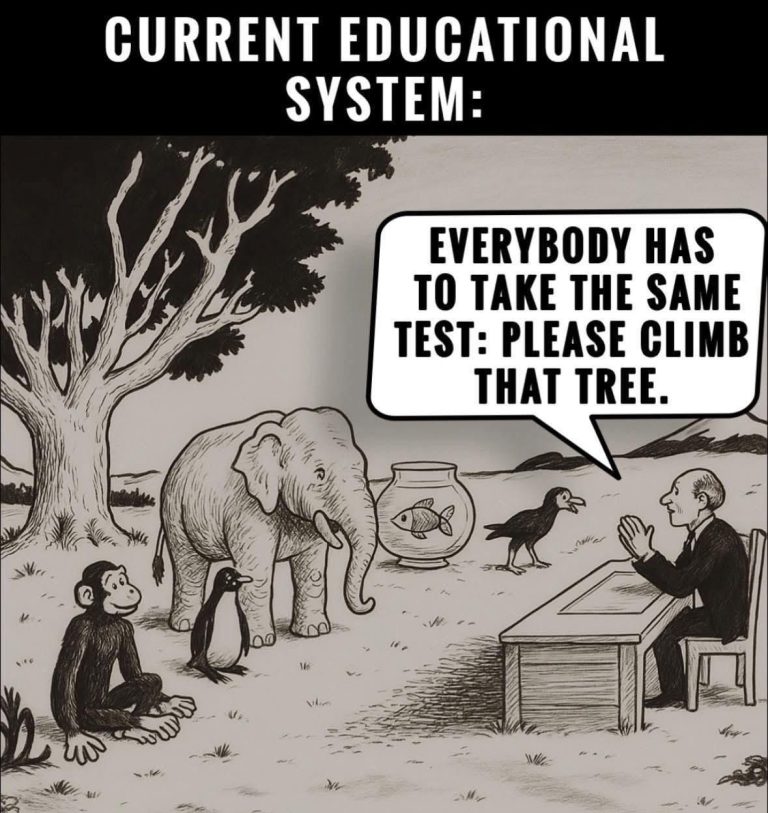
Critical discussion is not a norm in the curriculum. Instead of fostering inquiry and debate, the education model emphasizes rote learning and memorization. Many Singaporeans forget much of what they learned in school because the system discourages reflection, questioning, and exploration. The typical classroom experience is lecture-based, “chalk and talk” sessions where teacher-student interaction is limited, and genuine seminars are rare, despite the label.
This isn’t just an educational issue, it’s a political one. Singapore’s education system reinforces a culture of compliance rather than inquiry. The avoidance of politically sensitive or controversial topics in schools like policy critique, race, religion, and social justice, reflects a broader hesitation to empower students with the tools to question authority or status quos.
Faculty are under constant pressure to meet global ranking metrics. Those who don’t are swiftly removed, contributing to an environment of performance anxiety rather than innovation. The obsession with rankings often masks deeper shortcomings in academic freedom and institutional creativity.
Under such a system, groundbreaking innovation is stifled. Don’t expect Nobel Prizes or revolutionary thought leadership to emerge from this environment, just as we wouldn’t expect Singapore to win the World Cup. Countries like Japan, with freer academic and political systems, have nurtured dozens of Nobel laureates. Education shapes society. When questioning is discouraged, stagnation follows.
The real-world consequences are clear. Why are so many elderly Singaporeans still working well into old age? Because the system shaped by this very education model hasn’t equipped people with the tools to build sustainable, independent futures. When critical thought is absent, so is long-term vision.